

LANSING, MI. (WOWO) Michigan is reporting a significant drop in drug overdose deaths, reaching what officials believe could be the lowest level in more than a decade, even as the state prepares to receive an additional $154 million in opioid settlement funding aimed at continuing and expanding addiction response programs.
According to new federal and state data cited by Bridge Michigan, overdose deaths in the state are projected to fall below 1,700 in 2025, down from 1,938 the year prior. If confirmed, it would mark the lowest total since 2013 — before fentanyl became widely present in the illicit drug supply.
That earlier period, state data show, recorded 1,535 deaths, followed by a dramatic rise that peaked in 2021 at 3,096 fatalities statewide.
A major shift after years of rising overdose deaths
Public health officials describe the current trend as a reversal of a long and deadly trajectory. After years of increases driven largely by synthetic opioids, Michigan is now tracking a sustained decline that mirrors broader national patterns.
The U.S. Centers for Disease Control and Prevention (CDC) estimates drug deaths nationwide fell nearly 16% between 2024 and 2025, though the trend is not uniform across the country. At least six states are still projected to see increases in overdose deaths during the same period.
The Michigan decline, officials say, reflects a combination of expanded treatment access, harm reduction strategies, and widespread distribution of overdose reversal drugs.
Naloxone distribution credited with saving thousands of lives
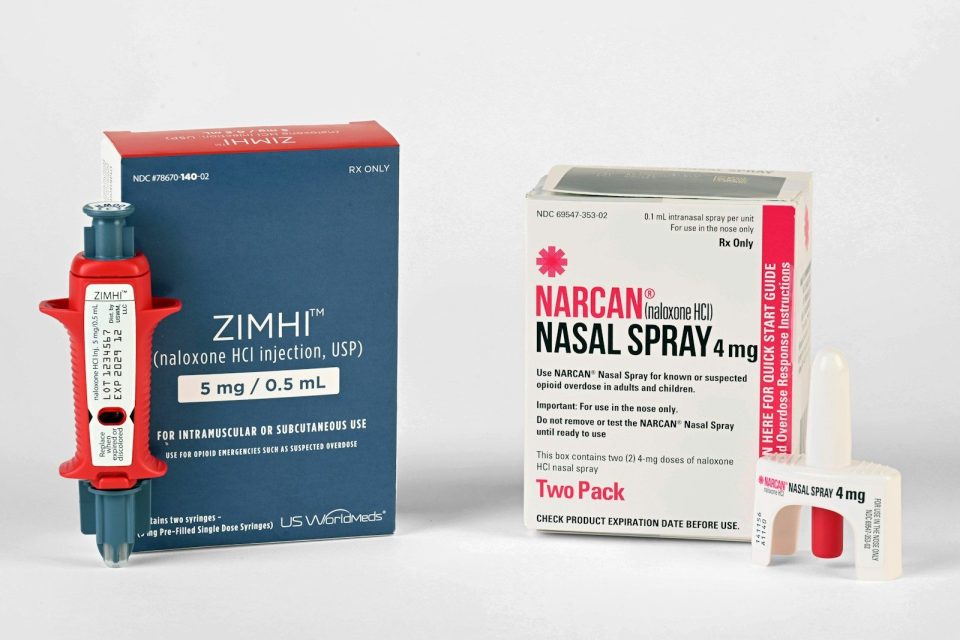
A central factor in the decline is the expanded use of naloxone, a medication that rapidly reverses opioid overdoses.
According to a report from the Michigan Opioid Task Force, the state has distributed more than 1.7 million naloxone kits since 2020, resulting in more than 34,000 recorded overdose reversals.
Those efforts are also credited with broader public health impacts, including reductions in emergency room visits, hospitalizations, and thousands of hepatitis C infections, according to state estimates.
Public health advocates say naloxone’s widespread availability — including in vending machines, community centers, and public distribution sites — has been critical in reducing fatalities.
Experts caution: fewer deaths does not mean less drug use
Despite the encouraging data, harm reduction experts caution against interpreting the decline as a reduction in drug use.
Pam Lynch of Harm Reduction Michigan told Bridge Michigan that the falling death toll is largely due to improved survival rates, not fewer people using drugs.
“Rather, more people are likely surviving overdoses because of the broad availability of naloxone,” Lynch said, pointing to increased access in community programs and public distribution sites.
She also noted that the state has improved treatment options, including expanded access to methadone and buprenorphine (Suboxone), which help manage opioid dependence.
However, Lynch warned of shifting drug patterns, saying some users are increasingly turning to methamphetamine use, which carries its own serious health risks.
$154 million in additional funding expected from opioid settlements
Michigan’s efforts are expected to receive another financial boost as payments from national opioid settlements continue to flow into the state.
Funds from Purdue Pharma, the maker of OxyContin, are part of a broader multi-state settlement that will distribute payments over the next 15 years. Michigan officials expect $154 million in additional opioid-related funding in upcoming disbursements.
Those funds are expected to support treatment programs, prevention efforts, and continued distribution of overdose reversal medications.
Long-term trend still under evaluation
While the data points to a significant decline, officials stress that final 2025 numbers are still being finalized. Public health analysts say continued monitoring will determine whether the drop represents a sustained trend or a temporary fluctuation.
Even so, the current trajectory marks the lowest recorded overdose death levels in more than a decade — a notable shift after years of steep increases tied to fentanyl and other synthetic opioids.
State officials say continued investment in treatment access, harm reduction programs, and public education will be key to sustaining the decline.
