

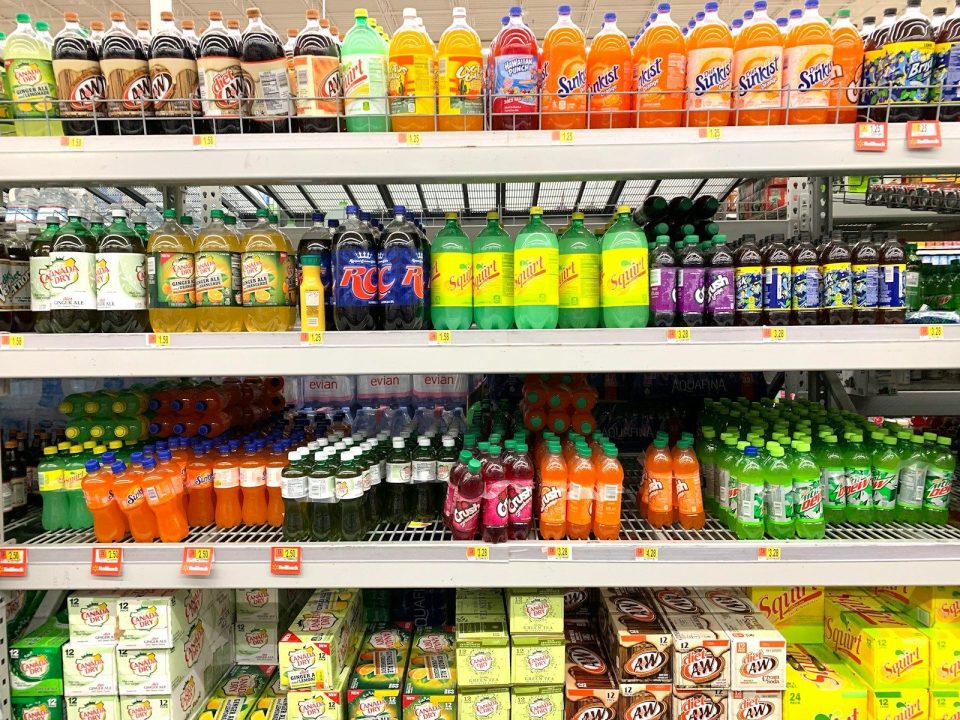
INDIANAPOLIS, IND. (WOWO) Indiana’s Supplemental Nutrition Assistance Program is now enforcing restrictions on purchases of sugary drinks and candy, a change that is creating challenges for retailers and families across the state.
The “Smart SNAP” initiative, launched under Governor Mike Braun’s administration, prohibits the use of federal food aid on certain beverages and sweets. The program exempts products based on factors such as dairy content, juice-only sweeteners, or branding, while soda and traditional candy remain disallowed. According to the Indiana Capital Chronicle, convenience store operators like Rob Forsyth of MotoMart report that the rules are difficult to interpret and apply consistently across stores.
Many families have expressed frustration with the new limits. Marion County resident DeVonna Johnson told the Chronicle that she has to drive to multiple stores to locate sugar-free juices and sparkling water that qualify under SNAP. Johnson said the restrictions are especially challenging for her children with special needs, whose preferred beverages are not accepted at all stores.
Retailers are implementing the rules through software or manual price coding, but compliance remains uncertain. JJ’s Convenience Stores CEO Megan Reckelhoff said her small chain manually inputs product codes into the checkout system, a time-consuming process that changes frequently. Forsyth noted that MotoMart relies on similar software but lacks a comprehensive state-provided list of excluded items.
Indiana’s Family and Social Services Administration says a grace period ends April 1, after which USDA enforcement could result in warning letters or the loss of SNAP authorization. According to the Chronicle, the Indiana Food and Fuel Association has warned that smaller stores may be forced to withdraw from the program entirely if compliance becomes unmanageable.
The changes are part of a broader state and federal effort to address nutrition and obesity, but charitable organizations such as Feeding Indiana’s Hungry warn that the restrictions could strain food banks. Executive Director Emily Weikert Bryant noted that SNAP currently provides nine times as much food support as charitable programs for every meal distributed, and limiting participation could increase demand on local hunger relief services.
Indiana’s Smart SNAP program will remain in effect through 2027, with the option to extend for up to five years. Retailers and families continue to navigate a system that officials describe as an effort to improve public health while ensuring compliance with federal food aid rules.
