

DETROIT, Mich. (WOWO) — Michigan lawmakers are facing mounting pressure to tighten regulations on data centers as public opposition grows over concerns about electricity demand, water use, environmental impacts and tax incentives for technology companies.
Experts discussing the issue at Bridge Michigan’s inaugural Issues Summit in Detroit said growing resistance from residents is beginning to reshape the state’s approach to the massive computing facilities, just two years after lawmakers approved tax breaks designed to attract developers.
The October 21 panel, titled “Innovation Collision: Balancing High-Tech Ambitions with Energy and Water Realities,” brought together policy experts, university researchers and local officials to examine the economic promises and potential costs of Michigan’s expanding data center industry.
Bridge Michigan reported that more than 375 people attended the summit in person, online or through a watch party at Alpena Community College. The event marked the conclusion of Bridge Listens, a yearlong reporting initiative shaped by survey responses from more than 6,400 readers who identified their top concerns facing the state.
Environmental issues, including data center development, ranked prominently among those concerns.
Panelists included Ypsilanti Township Supervisor Brenda Stumbo, University of Michigan Tishman Center for Social Justice and the Environment Director Michelle Martinez, Michigan State University Institute of Public Utilities Director Erik E. Nordman, and Public Sector Consultants Senior Strategist Jeff Guilfoyle.
Although the panelists differed in their assessments of the industry’s potential benefits and drawbacks, they agreed that public opposition has become a significant force in Michigan’s data center debate.
Martinez argued that state lawmakers moved too quickly when they approved sales and use tax exemptions for qualifying data centers, opening the door to major development without giving residents sufficient opportunities to weigh in.
She said many communities felt blindsided by the scale and speed of the proposals and lacked meaningful channels to participate in decisions affecting their neighborhoods.
Stumbo, who has dealt directly with the issue in Ypsilanti Township, similarly criticized the state’s approach. She said lawmakers welcomed the industry without adequately consulting residents and local officials who would later have to negotiate with some of the world’s wealthiest companies.
“It was rushed,” Stumbo said. “And we know as individuals, in our personal lives and professional lives, when you rush something, it doesn’t really go well.”
The debate reflects a growing conflict between Michigan’s efforts to attract billions of dollars in technology investments and residents’ concerns about the infrastructure needed to support them.
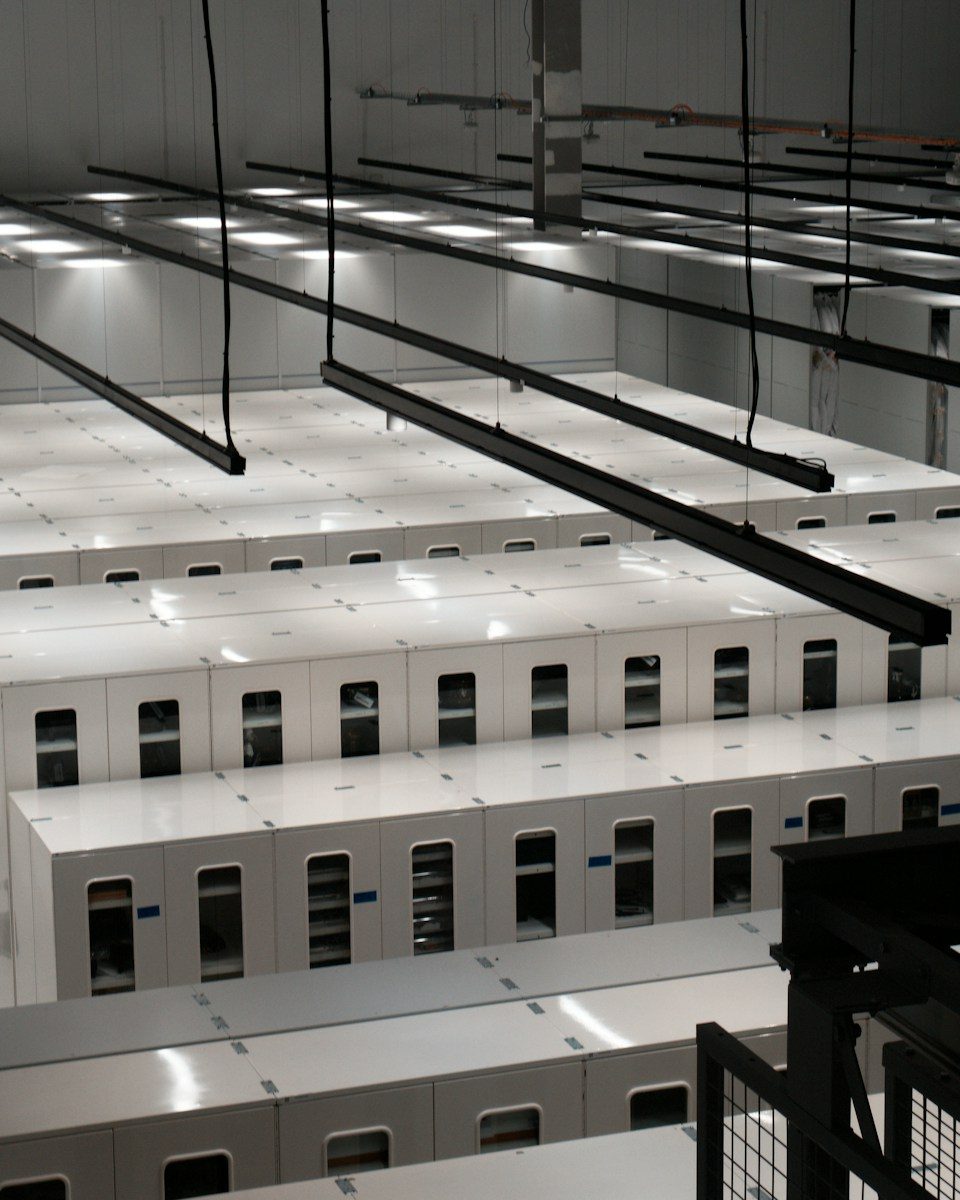
Data center developers have been searching across Michigan for available land and access to electricity. The facilities house the computer servers and networking equipment needed to run cloud services, artificial intelligence systems and other digital operations.
Their electricity requirements can be enormous. A single data center drawing one gigawatt of power can consume as much electricity as a large American city, raising questions about whether Michigan utilities can expand supply quickly enough without increasing costs for households and other businesses.
Nordman said the effect on electricity rates depends on local conditions. In some areas, adding a large data center customer can help distribute the cost of maintaining power plants, transmission lines and other infrastructure across a larger customer base.
In other areas, however, demand from data centers has outpaced available electricity supplies, creating a mismatch between consumption and grid capacity that has contributed to higher rates.
Nordman said Michigan has protections intended to prevent utilities from shifting the costs of infrastructure investments needed to serve data centers onto other customers. Those policies could shield households from at least some of the financial impact, although the broader effect of the industry’s growth remains uncertain.
The state also faces a challenge in reconciling the industry’s electricity demand with Michigan’s goal of transitioning to 100 percent clean energy by 2040.
Nordman said that target will become substantially more difficult to achieve as electricity consumption rises.
“It will be challenging,” he said. “Very, very difficult. Because, when we put these laws in place, we had relatively flat demand growth … now we have to work twice as hard.”
Martinez also warned that the environmental consequences extend beyond Michigan’s borders. She argued that rising electricity demand from data centers nationwide could drive additional investment in fossil-fuel infrastructure, increasing greenhouse gas emissions even as Michigan pursues its clean-energy goals.
“In Texas, they have a 424 GW backlog for data centers alone,” Martinez said. “The air that comes from Texas does not stay in Texas.”
Despite those concerns, proponents of data center development say the facilities can generate substantial economic benefits through construction spending, permanent jobs and increased property tax revenue.
Guilfoyle pointed to the planned Stargate data center in Saline Township, a project involving Oracle and OpenAI, as an example of the potential financial benefits for a host community.
He said annual property tax revenue associated with the project is expected to increase local revenue from a few hundred thousand dollars to more than $10 million annually.
“That’s a significant increase and that money is a driver in the community,” Guilfoyle said.
The facility is also expected to employ approximately 450 people permanently on-site while supporting thousands of temporary construction jobs.
Those projected benefits have not persuaded many Michigan residents to support additional development. Bridge Michigan cited recent polling indicating that nearly two-thirds of state residents oppose building data centers in Michigan.
The public resistance has already translated into local action, with at least 19 Michigan communities having paused data center proposals, according to previous Bridge Michigan reporting. Such pauses reflect efforts by local governments to evaluate zoning, infrastructure demands and potential impacts before approving new projects.
The growing controversy also places the state’s tax incentives under greater scrutiny. Lawmakers approved the exemptions to make Michigan more attractive to developers competing for sites and infrastructure. Critics argue that the incentives helped accelerate development without sufficient public input or clear guarantees that communities would receive benefits commensurate with the costs.
The summit’s discussion comes as Michigan approaches the November election, with data center policy emerging as one of several major issues facing candidates and voters.
Bridge Michigan has spent much of the past year examining candidates’ positions on data centers, community resistance to proposed facilities, the industry’s energy and water requirements, and the financial incentives offered to developers.
The panelists’ discussion pointed toward additional pressure for state lawmakers to establish stronger rules governing where data centers can be built, how their electricity and water needs are addressed, and how the costs and benefits are distributed among developers, utilities and local communities.
However, the discussion did not establish a specific legislative proposal or timetable for new regulations.
For Michigan, the central question remains whether the state can capture the economic benefits of a rapidly expanding technology industry while protecting residents from higher utility costs, environmental damage and decisions made without meaningful community participation.
