

Lansing, MI. (WOWO) — After years of debate and political wrangling, Michigan is officially revving up its largest-ever road funding initiative. Governor Gretchen Whitmer signed a new, sweeping $2 billion plan into law on Monday, marking a milestone in the state’s long fight to “fix the damn roads.”
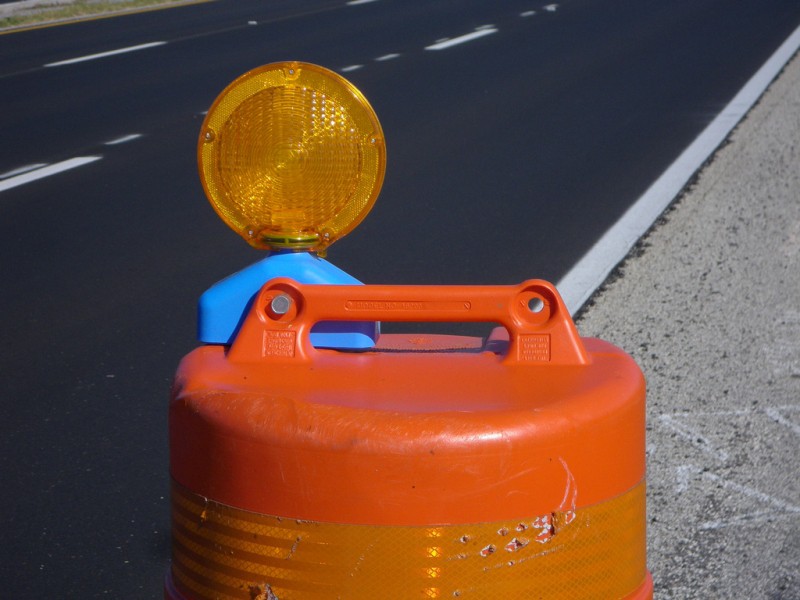
Standing in front of orange construction barrels in Clinton Township, Whitmer said the investment means fewer blown tires, smoother commutes, and fewer detours. “This is something to be proud of,” she told supporters. “We’re building a Michigan that’s safer, smoother, and more connected.”
Where the Money Is Coming From
According to Bridge Michigan, the new plan cobbles together funding from several sources, including:
-
Gas Tax Swap: Michigan is eliminating the sales tax on gasoline and replacing it with a 20-cent increase in the gas tax. Though pump prices are expected to stay roughly the same, this move ensures all fuel-related taxes go directly to road repairs.
-
Corporate Tax Revenue: Up to $1 billion annually will be redirected from corporate income taxes, including a $500 million shift from the SOAR (Strategic Outreach and Attraction Reserve) fund, which had been used for economic development incentives.
-
New Marijuana Tax: A new 24% wholesale tax on recreational marijuana sales is projected to raise $420 million a year — though that’s currently being challenged in court by cannabis industry groups.
Where the Money Is Going
This time around, local roads are getting a major slice of the pie, a notable change from Whitmer’s previous $3.5 billion bonding initiative that focused mostly on state-controlled highways.
Breakdown for the current fiscal year:
-
Counties: $457 million
-
Cities and villages: $246 million
-
State trunklines: $180 million
-
Infrastructure Projects Fund (transit, etc.): $65 million
-
Bus operations, rail, airports: ~$100 million combined
A new Neighborhood Roads Fund will gradually grow to $2 billion annually by 2030, giving local governments steady support for bridges, intersections, and other critical infrastructure.
Who Loses Out?
The trade-off: eliminating the sales tax on gasoline means a big hit to school funding. Previously, 73% of that tax revenue went to Michigan’s School Aid Fund. A state-mandated $677 million backfill will try to cover the loss, but education groups like the Michigan Education Association remain skeptical of long-term sustainability.
Local governments are also expected to lose about $70 million this fiscal year, although the surge in infrastructure funding may offset some of the pain.
Is $2B Enough?
The road builders say no.
The Michigan Infrastructure and Transportation Association says the state actually needs $3.9 billion more per year just to keep up with infrastructure maintenance. Since Whitmer’s 2019 proposal for a 45-cent gas tax hike, inflation has pushed up the cost of repairs dramatically.
Still, industry leaders call this a “historic step in the right direction”.
Looking Ahead: Road Usage Tax?
In a nod to future transportation funding models, the budget also includes a $7.65 million pilot program to study a mileage-based tax system, where drivers pay based on how many miles they drive rather than how much fuel they buy — a move other states have started exploring as electric vehicles grow more common.
End of the Road for SOAR?
The deal is also a death knell for Whitmer’s SOAR fund, her signature economic development initiative, which helped fund job attraction programs with upfront incentives. The fund will no longer receive new revenue — and leaders are negotiating a replacement program that emphasizes accountability and performance-based payouts.
House Speaker Matt Hall says future incentives must be “earned, not handed out,” and he wants lawmakers to consider reclaiming $600 million still sitting in the SOAR account.
Bottom Line:
Michigan’s new road funding deal is a political and financial balancing act. It brings major new investment to long-neglected local roads, reshuffles the state’s tax structure, and trades future economic development dollars for pavement today. But it also opens up questions about how to sustainably fund schools, local governments — and the state’s infrastructure in a fast-changing transportation landscape.
