

LANSING, Mich. (WOWO) — A recent hospital visit following an Eastern Massasauga rattlesnake bite is drawing attention to Michigan’s only venomous snake species and what experts say people should do if they encounter one in the wild.
An Oakland County man was hospitalized last week after being bitten by an Eastern Massasauga, a small rattlesnake species found in parts of Michigan.
Experts tell News 10 Lansing while the snake’s bite can be painful and may require medical treatment, fatalities are extremely rare.
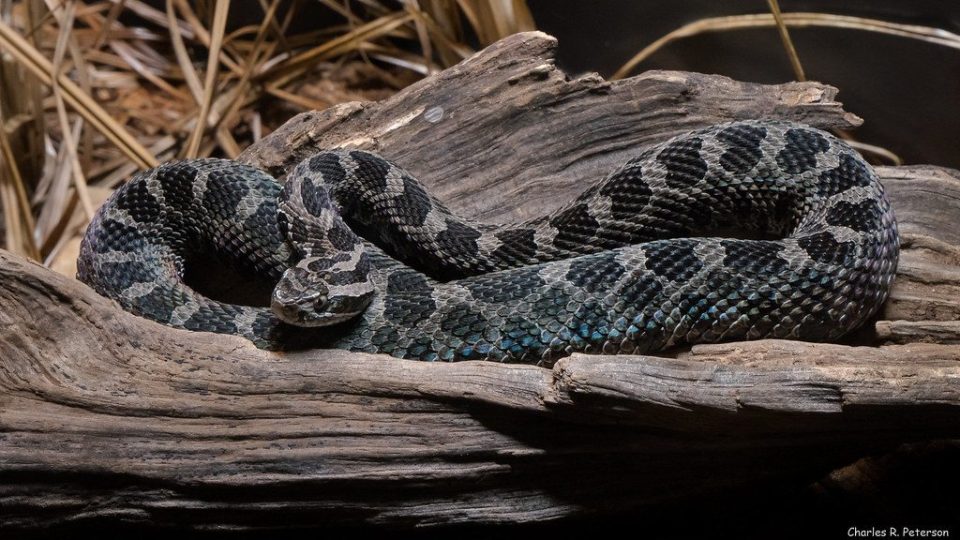
The Eastern Massasauga is typically less than two feet long and is considered a threatened species in Michigan. Conservation officials say the snake is often identified by its distinctive coloring and body shape.
“It’s a gray or light brown in color with dark brown, like saddle,” said Conservation Scientist Yu Man Lee. “Other snakes, their tail will come to a very pointy tip — Massasaugas, because of that rattle, comes to a blunt tip.”
The snake’s rattle is one of its most recognizable features, though experts say it may not always be heard before an encounter.
Officials say people should give the snake plenty of space if they spot one.
If someone is bitten, experts say the most important thing is to remain calm and seek medical care.
Amy Bleisch, an endangered species biologist, said not every Eastern Massasauga bite involves venom.
“Some of those bites are what we call dry bites — that means the snake has chosen not to envenomate that bite,” Bleisch said. “Other bites are envenomated and there is a dose of venom delivered.”
Bleisch said staying calm after a bite is important because stress and increased adrenaline can affect how quickly venom moves through the body.
Lee also recommends removing rings, watches or other jewelry near the bite area because swelling can occur and may cause additional complications.
“The bites are incredibly painful, but it’s also extremely unlikely that it will be fatal as long as you just stay calm, go to the hospital,” Bleisch said.
Experts say people should not attempt common at-home treatments such as cutting the bite, trying to remove venom or applying a tourniquet. Instead, they recommend limiting movement, keeping the affected area still if possible and getting professional medical help.
Despite concerns surrounding venomous snakes, officials say Eastern Massasauga rattlesnakes are generally not aggressive and typically try to avoid humans.
Experts say no one has been killed by an Eastern Massasauga rattlesnake bite in more than a century.
When encountering one outdoors, wildlife officials recommend keeping a distance of at least two to three feet to remain outside the snake’s striking range.
The species plays an important role in Michigan’s ecosystem, and experts encourage residents to observe the snakes from a safe distance rather than attempting to handle or move them.
