

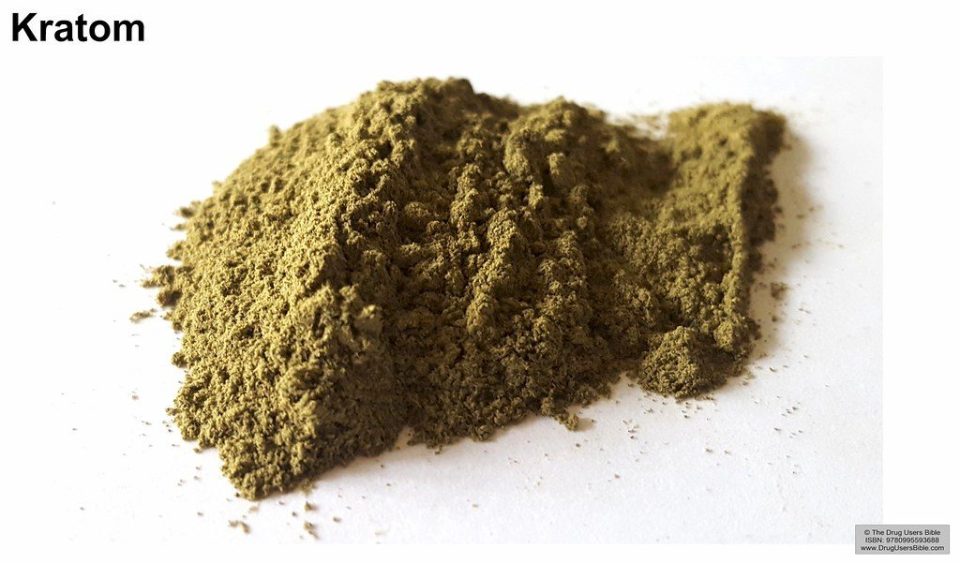
Washington (WOWO) — Kratom is an herbal substance derived from a tropical tree in Southeast Asia, and products containing it are widely available in the United States — including in some gas stations, smoke shops, specialty stores and online.
The substance has also drawn increasing attention from health officials because its active compounds can interact with opioid receptors in the brain and because researchers are still working to understand its potential benefits and risks.
The renewed scrutiny comes as authorities investigate the separate deaths of two University of Mississippi students. Packaged kratom reportedly was found during both investigations, but officials have not confirmed that kratom or any other substance contributed to either death.
Authorities said the cases are being treated separately and urged caution while the investigations continue.
“Out of an abundance of caution, we encourage everyone to avoid kratom and any other medication or substance that was not prescribed to you or obtained from a trusted, regulated source,” officials said in a statement.
Kratom comes from the leaves of Mitragyna speciosa, a tree in the coffee family that is native to Thailand, Indonesia and other parts of Southeast Asia.
Traditionally, people in Southeast Asia have used kratom leaves to combat fatigue, increase energy and improve work productivity. The leaves have also been chewed or prepared as tea and used for purposes including pain and diarrhea relief.
In the United States, some people use kratom in an attempt to manage pain, anxiety, depression or symptoms associated with opioid withdrawal.
The National Center for Complementary and Integrative Health, part of the National Institutes of Health, says research into kratom is still in its early stages and much remains unknown about its short- and long-term effects.
Two of the most extensively studied compounds in kratom are mitragynine and 7-hydroxymitragynine, commonly known as 7-OH.
According to the NIH, both compounds interact with opioid receptors in the brain. Users have reported effects that can resemble stimulants, including increased energy and alertness, as well as effects associated with opioids and sedatives, including relaxation, pain relief and confusion.
The effects can vary depending on the product, amount consumed and other factors.
Kratom is sold in several forms, including powders, capsules, extracts, teas and liquid products. The FDA has warned that products on the market can vary considerably in their composition and may contain contaminants.
The FDA says kratom has not been approved as safe and effective for any medical use in the United States.
The agency warns consumers about potential serious adverse effects, including liver toxicity, seizures and substance use disorder.
Regular users can also develop physical dependence and experience withdrawal symptoms after stopping or reducing their use, according to the NIH.
Other reported side effects include nausea, constipation, dizziness, drowsiness and increased blood pressure.
Kratom has been associated with both stimulant-like and opioid-like effects.
At lower amounts, users may report feeling more alert, energetic or restless. At higher amounts, kratom can produce effects including relaxation, pain relief and sedation.
Researchers are particularly interested in 7-OH because it is considerably more potent at opioid receptors than mitragynine.
The FDA says 7-OH occurs naturally in kratom leaves but generally makes up only a small portion of the plant’s alkaloid content. The agency has separately raised concerns about products containing enhanced or added levels of 7-OH.
In July 2026, the FDA said products containing 7-OH can cause serious harm and urged consumers to avoid products containing the compound, including tablets, gummies, drink mixes and shots marketed through retail and online outlets.
The agency’s warning distinguishes naturally occurring trace amounts of 7-OH in kratom from products in which 7-OH has been added or concentrated.
The FDA also says some kratom products have been found to contain harmful contaminants, including heavy metals and disease-causing bacteria.
In laboratory testing of 30 kratom products, the agency found significant levels of lead and nickel in some samples. The FDA said long-term exposure to elevated levels of those metals could potentially contribute to serious health problems.
The risk of an adverse reaction may also be affected by whether kratom is used with other substances.
The NIH says fatal overdoses involving kratom alone appear to be extremely rare, but deaths and severe adverse effects have been associated with kratom used in combination with other drugs. The FDA likewise says that in reported deaths involving kratom, the substance was usually used alongside other drugs, making its specific contribution difficult to determine.
Kratom also remains an area of active scientific research.
In June 2026, the NIH announced that an investigational new drug application had taken effect for mitragynine, allowing researchers to move toward a Phase 1 clinical trial examining the compound as a potential treatment for opioid use disorder.
That research does not mean kratom itself has been approved as a treatment.
The FDA continues to say there are no legally marketed FDA-approved prescription or over-the-counter drug products containing kratom or its known alkaloids.
The regulatory situation can also vary by state, with some states imposing their own restrictions on kratom products.
For consumers, federal health agencies emphasize that the fact that kratom is sold in stores or online does not mean it has been evaluated and approved as a medical treatment.
The NIH says more research is needed to determine whether kratom has legitimate therapeutic uses and to better understand its safety, drug interactions and potential for dependence.
Anyone experiencing a serious reaction after taking a kratom or 7-OH product should seek medical attention. The FDA recommends contacting Poison Help for suspected poisoning, and anyone who is unresponsive or experiencing a life-threatening emergency should receive immediate emergency medical care.
