

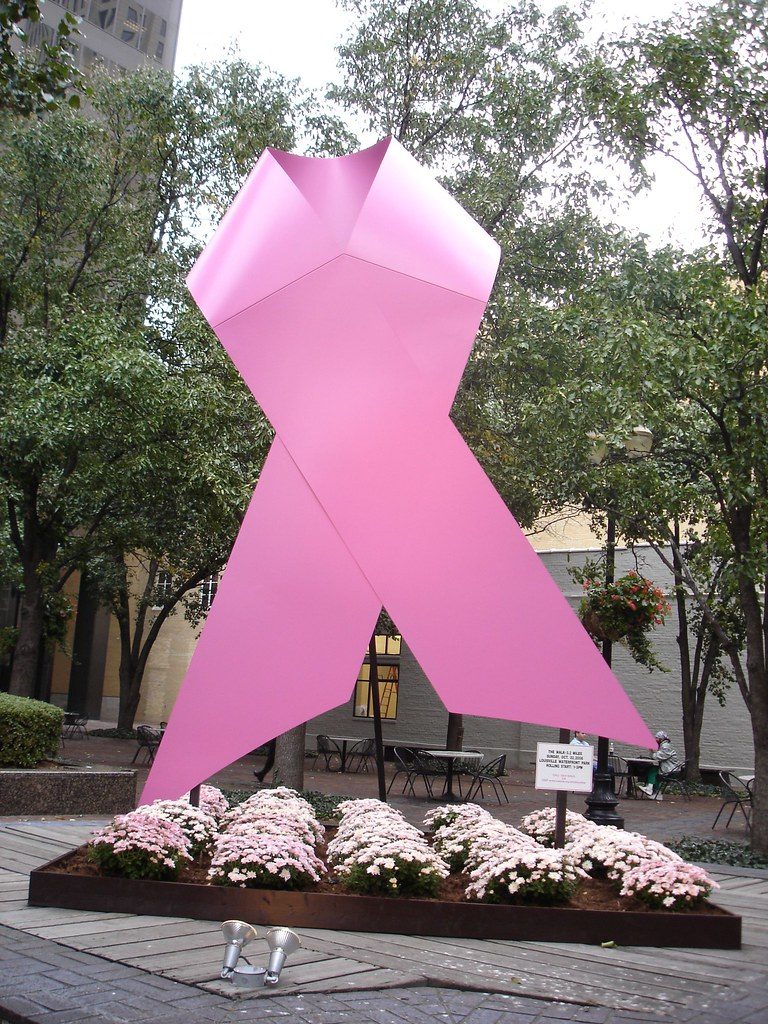
Detroit, MI. (WOWO) — As Breast Cancer Awareness Month begins, health experts are encouraging women and men to understand their individual risk factors, recognize potential warning signs and talk with a healthcare provider about appropriate screening.
Breast cancer remains one of the most commonly diagnosed cancers among American women and is the second-leading cause of cancer death among U.S. women, according to Dr. Partha Nandi on WXYZ.
About one in eight women will develop breast cancer during their lifetime. Nandi says more than 380,000 new cases are expected to be diagnosed in women this year, with roughly 42,000 deaths from the disease.
Although breast cancer is much less common in men, Nandi notes that men can develop the disease, too. Risk generally increases with age, but age is only one factor.
Family history can also play an important role. Having a mother, sister or daughter who has had breast cancer can increase a person’s risk. Certain inherited genetic changes can also make someone more likely to develop the disease.
For people who want to better understand their individual cancer risk, the American Cancer Society has introduced CancerRisk360, a free online assessment available to people 18 and older.
The assessment asks about a person’s health and family history, lifestyle and previous cancer screenings. Based on those answers, it provides an action plan intended to help users understand potential risks and next steps.
However, the assessment is not intended to replace a conversation with a doctor or individualized medical advice.
Nandi says people should also be aware of changes in their breasts that could require medical attention.
A new lump is one of the most recognizable warning signs, but it is not the only one. Changes to the skin, nipple discharge or another unusual change that is different from a person’s normal appearance should also be evaluated by a healthcare provider.
There is no guaranteed way to prevent breast cancer, but certain lifestyle choices may help reduce risk.
Nandi recommends maintaining a healthy weight, staying physically active, avoiding or limiting alcohol consumption and not smoking.
Screening is another important part of breast cancer detection.
Mammograms can identify breast cancer before symptoms develop and, in some cases, before a person can feel a lump. Detecting cancer at an earlier stage can give patients more treatment options and improve the chances of successful treatment.
The appropriate age to begin screening and how frequently to undergo mammograms can vary depending on a person’s age, health history and individual risk. Nandi recommends discussing those decisions with a healthcare provider.
There is also encouraging news in the fight against breast cancer. Death rates have declined over time, a trend health experts attribute in part to earlier detection and improvements in treatment.
As October gets underway, the message for Breast Cancer Awareness Month is straightforward: Know your risk, pay attention to changes in your body and talk with your doctor about a screening plan that’s appropriate for you.
