

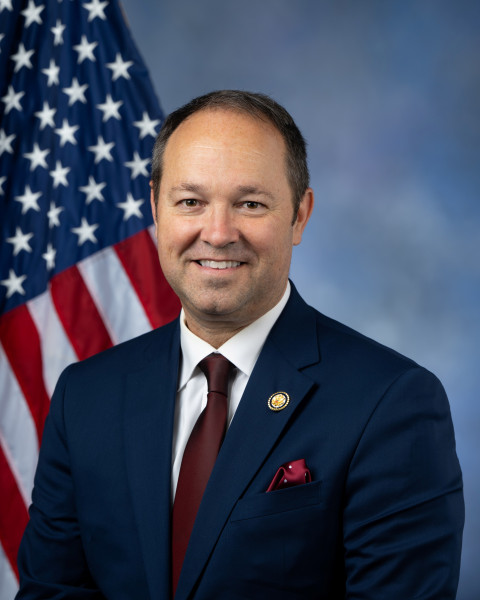
FORT WAYNE, Ind. (WOWO) — Congressman Marlin Stutzman says increased energy production and expanded oil-refining capacity could help lower fuel prices, as the United States begins receiving shipments of crude oil from Venezuela under a new arrangement.
Speaking Thursday on Fort Wayne’s Morning News with Kayla Blakeslee, Stutzman discussed the arrival of Venezuelan crude oil in Texas, the potential economic benefits of the deal and what it could mean for drivers in Indiana.
The shipment reportedly included one million barrels of Venezuelan oil, with the administration saying the oil would be sold to companies including Exxon and Citgo.
Stutzman highlights refining capacity concerns
Stutzman said the United States needs to continue developing domestic energy resources while addressing limitations in its ability to process crude oil.
He pointed to Alaska’s oil reserves and new exploration opportunities as examples of potential domestic production. He also said disruptions affecting oil shipments through the Strait of Hormuz highlight the risks of relying on supplies from distant regions.
“We’ve got the crude. We have the raw product. But refining it is the bottleneck,” Stutzman said.
He argued that the United States needs additional refining capacity to process more oil efficiently. According to Stutzman, the country has not built a new refinery of significant capacity since 1977.
Venezuelan crude presents a particular challenge because it is considered heavy crude, which requires appropriate equipment and processing capabilities.
Stutzman said expanding those capabilities will take time, but he believes it could eventually help increase fuel supplies and ease prices.
Questions remain about how the oil revenue will be handled
Blakeslee asked whether the arrangement could generate revenue for the federal government, given the administration’s statement that the initial shipment came at no cost to American taxpayers.
Stutzman said the oil would enter the supply chain and that the transaction would be recorded in government accounts.
He compared the arrangement with Venezuela’s past practice of supplying oil to other countries in exchange for goods, military equipment or other agreements.
The interview did not establish the precise financial terms of the current arrangement or how any proceeds will ultimately be distributed.
Congressman sees broader regional implications
Stutzman also said the agreement could strengthen relationships between the United States and other countries in the Western Hemisphere.
He pointed to South America’s natural resources, including oil, minerals and agricultural products, as potential sources of economic opportunity.
Stutzman argued that stronger regional economies could expand opportunities for people in their home countries while benefiting the United States through trade and cooperation.
Could Indiana drivers see lower prices?
For drivers watching prices at the pump, Stutzman said he expects increased oil supplies and improvements in refining capacity could eventually help bring fuel costs down.
He cautioned, however, that expanding refining infrastructure will not happen overnight.
Stutzman also criticized the federal permitting process for delaying new energy projects, saying the administration intends to accelerate approvals to bring additional oil and gas supplies online.
The congressman said the combination of greater production and increased refining capacity could eventually help lower gasoline and diesel prices, although the timing and extent of any impact on Indiana drivers remain uncertain.
