

The Lead Off
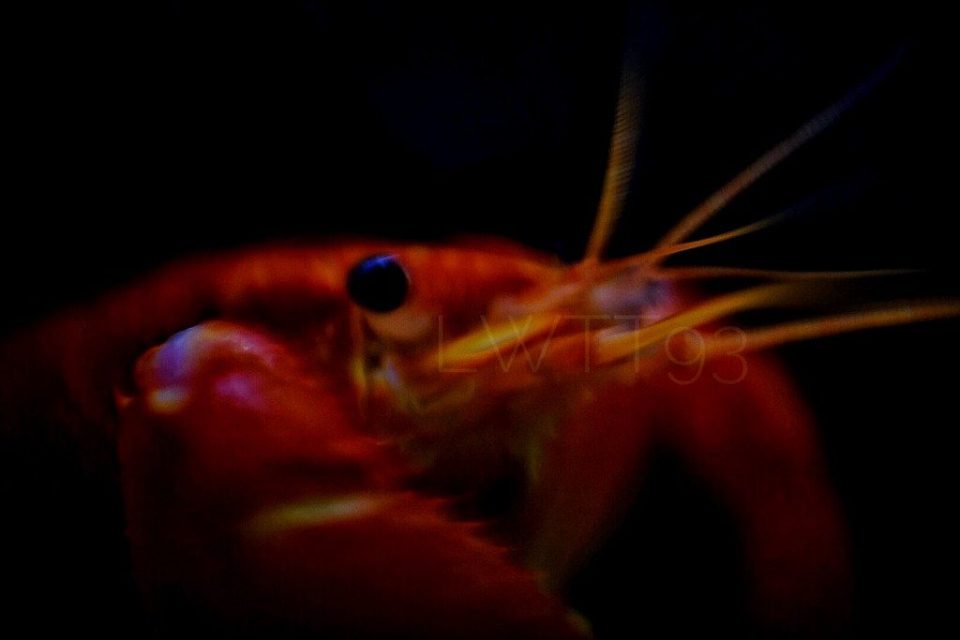
- Scientists confirm the invasive bloody red shrimp is now established in all five Great Lakes, including Lake Superior.
- Researchers collected dozens of specimens in Duluth-Superior Harbor during 2025 monitoring efforts.
- Experts say the ecological impact remains uncertain, but the species has been linked to major food web changes in other regions.
LANSING, MICH. (WOWO) Scientists now say the invasive bloody red shrimp has become established in all five Great Lakes following new findings in Lake Superior.
Researchers confirmed the presence of the small crustacean after collecting dozens of adult and juvenile specimens, including pregnant females, in Duluth-Superior Harbor during summer sampling efforts, according to a recent study published in the Journal of Great Lakes Research.
Detection confirms spread into Lake Superior
The study reports specimens were collected at Wisconsin Point and the Montreal Pier in Duluth-Superior Harbor. Researchers used nets and traps as part of ongoing invasive species monitoring according to Bridge Michigan.
In 2017, the U.S. Fish & Wildlife Service documented a single specimen in the harbor area. By 2025, researchers reported collecting 81 specimens at the two monitored sites, indicating an established population.
According to the Great Lakes Aquatic Nonindigenous Species Information System, the species was first detected in waters connected to Lake Michigan in 2006.
Researchers say establishment completes Great Lakes range
The study concludes that Lake Superior is now the fifth and final Great Lake where the species is considered established.
“Lake Superior now becomes the fifth and final Great Lake in which it is considered established. The delayed establishment in Lake Superior is notable and may reflect barriers such as colder temperatures and geographic isolation,” the study said.
Researchers note the species is native to the Caspian Sea and Black Sea region and likely arrived in North America through ballast water released by transoceanic cargo ships.
By 2008, the species had already been established in Lakes Michigan, Huron, Erie and Ontario, as well as parts of the St. Lawrence River and other connected waterways.
Monitoring continues in Duluth-Superior Harbor
Lead researcher Donn Branstrator, a biology professor at the University of Minnesota Duluth, said monitoring efforts are continuing this summer in the harbor.
“This summer, said lead author Donn Branstrator, a biology professor at the University of Minnesota Duluth, the team is collecting specimens biweekly at Montreal Pier and monitoring about a half dozen other locations in the harbor.”
Researchers are also tracking other invasive species that could potentially spread into Lake Superior in the future.
Ecological impact remains uncertain
Scientists say the shrimp is broadly omnivorous, meaning it feeds on a wide range of organic material, and its long-term ecological effects in the Great Lakes are still being studied.
“The bloody red shrimp is ‘broadly omnivorous and the invasion’s ecological consequences are uncertain,’ the study cautioned. Based on its history of invasion across Europe, significant ecological impacts are possible,” the study said.
Branstrator added that while no direct harmful effects have yet been confirmed in the Great Lakes, there are concerns about potential impacts on nutrient movement and nearshore food webs.
Research from European reservoirs has linked the species to reductions in zooplankton biomass and diversity, which can affect aquatic ecosystems.
State monitoring and response efforts
The Michigan Department of Natural Resources said it has not detected the species in inland lakes and is not actively targeting it in its own monitoring programs.
According to department communications specialist Joanne Foreman, federal monitoring programs are already surveying the Great Lakes using traditional sampling and environmental DNA techniques.
Scientists say continued surveillance will be important as additional nonnative species move through the system.
The Takeaway
- The bloody red shrimp, an invasive crustacean native to the Caspian and Black Sea regions, is now confirmed to be established in all five Great Lakes, including Lake Superior.
- Researchers documented a significant increase in specimens in Duluth-Superior Harbor, with evidence of breeding populations suggesting long-term establishment.
- While ecological impacts in the Great Lakes remain under study, scientists point to prior invasions in Europe where the species was linked to reductions in zooplankton diversity and changes in aquatic food webs, with ongoing monitoring expected to continue.
