

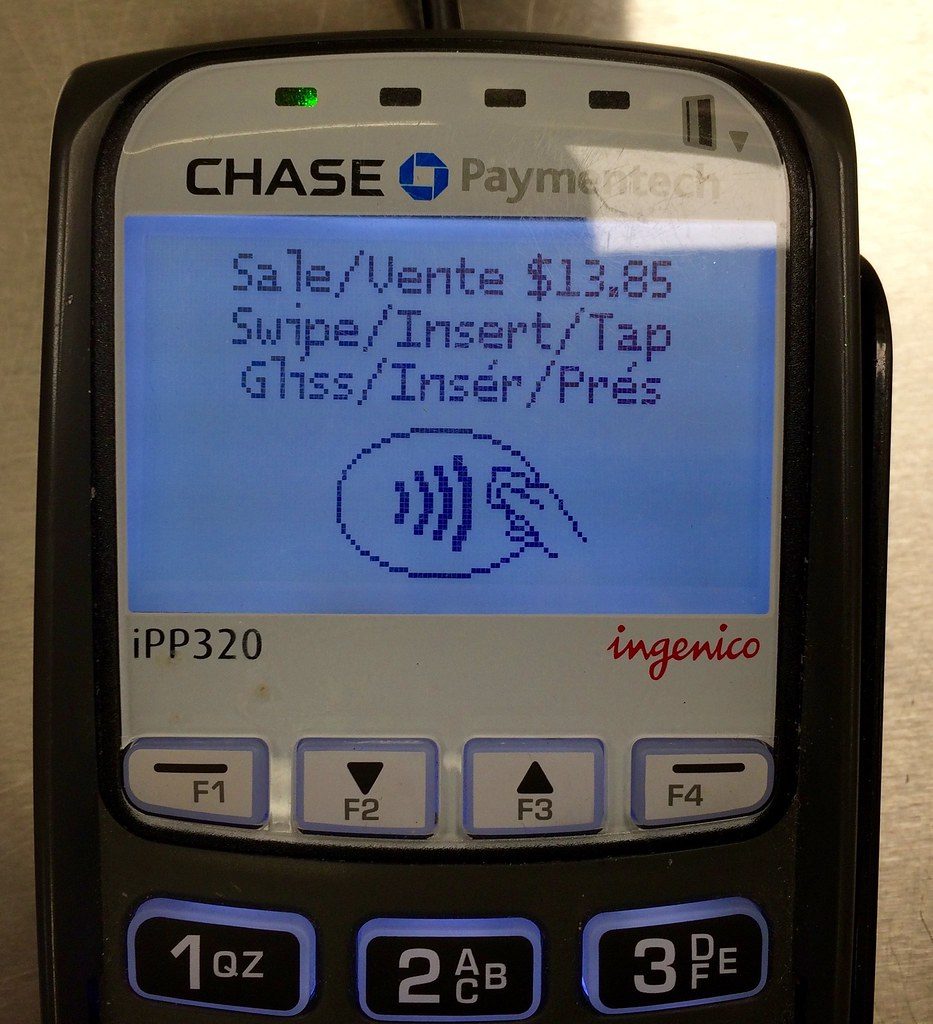
INDIANAPOLIS, Ind. (WOWO) — A quick tap of your phone or credit card could turn a well-intentioned $5 or $20 charitable donation into a charge worth thousands of dollars, according to warnings about a growing payment scam targeting people in public places.
The scam takes advantage of the convenience of contactless payments, with criminals posing as fundraisers for schools, youth organizations or charities and asking people for small donations.
The problem comes when the scammer enters a much larger amount into a payment device before asking the victim to tap.
Someone who agrees to donate $20, for example, could unknowingly authorize a charge of $2,000 or more if they fail to check the amount displayed on the payment screen.
Cybersecurity expert Kurt “CyberGuy” Knutsson, writing for Fox News, said the technology itself is not necessarily the problem.
Mobile payment systems can offer security advantages, including tokenization and virtual card numbers that can prevent a customer’s actual card number from being transmitted directly during a transaction.
But those protections do not prevent someone from intentionally approving a fraudulent amount.
If a payment screen displays $2,000 and the customer authenticates that transaction, the payment system can treat it as an authorized purchase.
That is exactly what scammers are counting on.
The setup can happen quickly.
A person may be leaving a store, walking through a shopping district or attending a public event when someone approaches and claims to be collecting money for a charitable cause.
The solicitor asks for a small donation and says they accept tap-to-pay.
The donor agrees, and the scammer presents a phone or payment reader.
Instead of entering the amount the donor agreed to give, however, the scammer enters a substantially higher amount.
Police in Brentwood, Tennessee, warned in January about a version of the scheme involving people approaching shoppers outside stores. Authorities said victims could be charged substantially more than they expected after using tap-to-pay services, including Square or Cash App.
The potential losses can be significant.
The Washington state attorney general’s office also issued a warning after receiving reports involving solicitors near Seattle’s waterfront.
In one reported case, a person agreed to donate $15 and later discovered a $4,800 charge.
Another person agreed to donate $20 and ultimately found a charge of nearly $5,000.
Those cases illustrate why experts say consumers should never assume the final tap is simply a formality.
The most important protection is also one of the simplest: look at the amount before tapping.
If you agree to donate $10, make sure the payment screen says $10.
Consumers should verify the amount on the merchant’s device before bringing a phone, smartwatch or payment card near the reader.
The Federal Trade Commission also recommends reviewing financial statements after making charitable donations to make sure the amount charged matches the amount intended.
Another warning sign is pressure.
A legitimate charity should not need to rush someone into
