

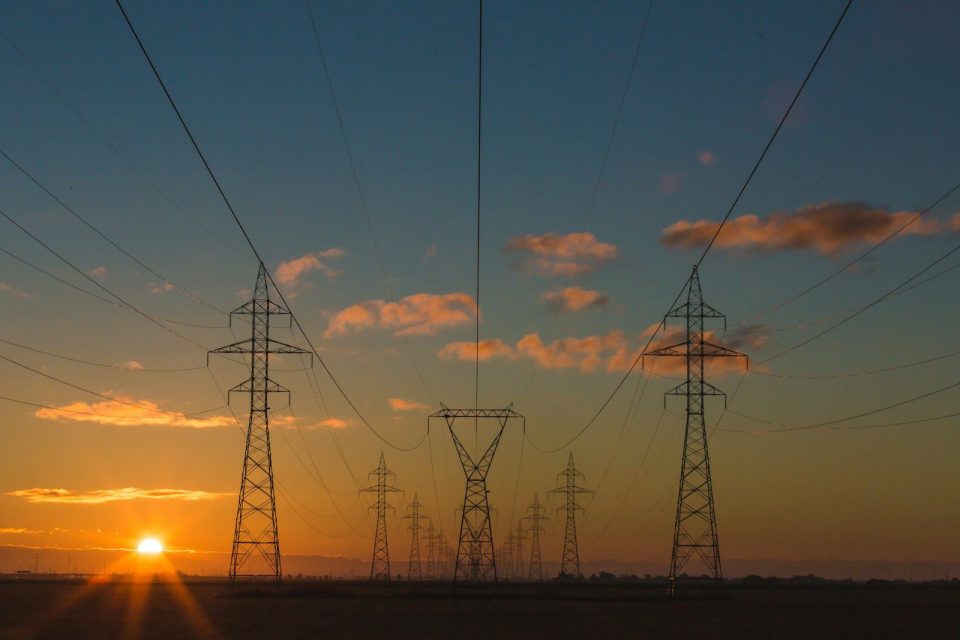
LANSING, Mich. (WOWO) — Plans for more than 250 miles of high-voltage power lines across northern and mid-Michigan are drawing opposition from landowners who fear losing control of their property, while utility officials argue the project is needed to improve the state’s unreliable electric grid.
The proposed Copperton Projects would connect substations in Midland County with facilities in Ludington, Gratiot County and the Tittabawassee area of Midland County. The projects are part of a multistate transmission expansion coordinated by the Midcontinent Independent System Operator, which manages the electric grid across 15 states and Manitoba.
The lines are expected to cost more than $1 billion and could begin operating in 2032. ITC, the country’s largest electric transmission company, would oversee construction.
Supporters say the new infrastructure would strengthen grid reliability, improve resilience and help meet Michigan’s long-term electricity needs. But landowners along the proposed routes are raising concerns about property rights, potential impacts on property values and restrictions on how they can use their land.
Rick Thelen, who owns 80 acres near Lansing, said he was caught off guard when he learned high-voltage lines could cross his field. Unlike neighborhood distribution lines, the larger transmission lines carry electricity over long distances and can require rights of way with as much as 200 feet of clearance.
“I feel like they just (have) complete disregard for property rights,” Thelen told WILX.
The proposed routes also threaten property used by the Wheatland Music Organization in Mecosta County. The organization says the project could eliminate more than 130 campsites and affect wooded areas, year-round programming and its fall festival. The grounds have hosted music, dance, educational programs and camping for more than 50 years.
Some landowners are also concerned about possible effects on property values and exposure to electromagnetic fields around high-voltage lines. Research on property-value impacts varies, while health agencies have described the evidence linking extremely low-frequency electromagnetic fields to cancer as limited or inconclusive.
The project is currently in its public listening phase. Organizers have met with local government leaders and are holding public listening sessions around the state this month, including events in Fremont, Ludington and Hart. Landowner open houses are planned for spring 2027, followed by additional public meetings next fall.
ITC expects to formally apply for approval from the Michigan Public Service Commission next year. If the commission approves the project, the company would seek to negotiate payments and rights of way with affected landowners. If negotiations fail, ITC could pursue eminent domain to secure the property rights needed for construction.
At the same time, state regulators are considering new rules intended to give residents and local officials more information and opportunities to weigh in before major transmission lines are approved.
The proposed requirements would direct companies to explain why they selected particular routes, provide contact information for someone knowledgeable about the project, invite landowners and local government leaders within one mile of proposed routes to public input meetings, and document comments and requests for route changes. Companies would also have to examine additional alternatives.
The Public Service Commission scheduled a public hearing for 10 a.m. Wednesday in Lansing to discuss the proposed rules.
Thelen remains skeptical that the changes would give landowners enough influence over decisions affecting their property.
“I don’t really buy it,” he said. “I’m not convinced that it will actually improve things.”
ITC spokesperson Andrew Johnson said the company supports efforts to improve the approval process and increase public involvement.
“ITC appreciates the Commission’s continued efforts to improve the transmission line siting process and supports its focus on early, transparent, and meaningful public engagement,” Johnson said.
The proposed lines are part of a larger regional transmission expansion intended to improve electric reliability for millions of customers. But the Copperton Projects still face a state approval process, with questions about the final routes and the impact on affected landowners yet to be resolved.
