

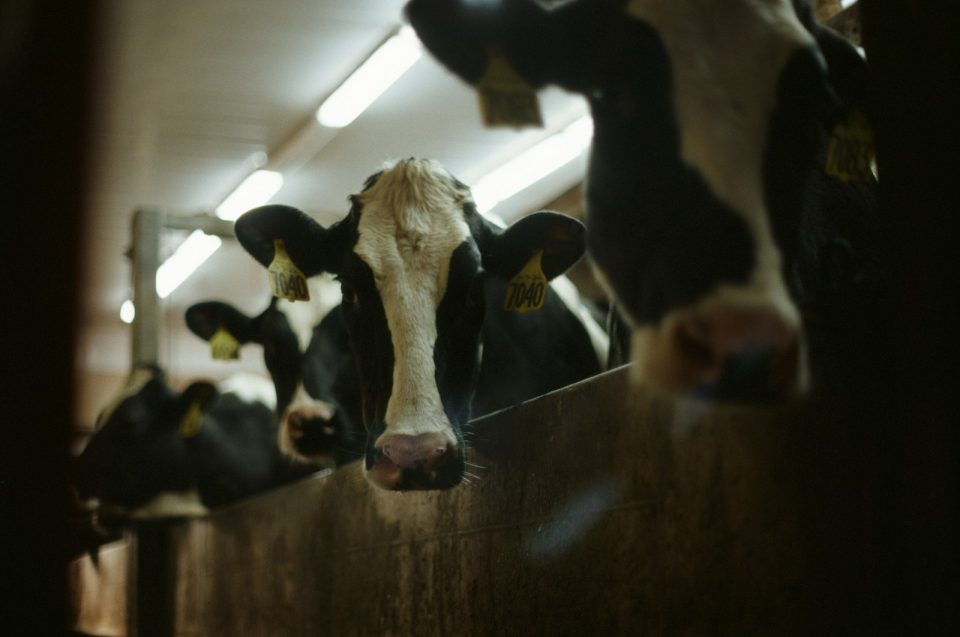
GRATIOT, MI (WOWO) A proposed large-scale dairy operation in Gratiot County is drawing opposition from farmers, residents and environmental advocates concerned about manure management and water quality.
KB Dairy, LLC is seeking a National Pollutant Discharge Elimination System permit under the federal Clean Water Act to house between 2,000 and 3,450 dairy cows. Once operational, the farm could generate between 16 million and 34 million gallons of liquid manure annually.
The New Lede reports the proposed dairy shares an address and ownership ties with De Saegher Dairy, an existing concentrated animal feeding operation that houses about 8,000 cows and produces more than 41 million gallons of manure each year. Critics argue the new project should be treated as an expansion, which could trigger additional regulatory requirements, including a groundwater discharge permit.
State officials with Michigan’s Department of Environment, Great Lakes, and Energy say the permit application meets current regulatory standards. The agency is reviewing public comments before making a final decision.
Researchers cited by The New Lede say watersheds in the area, including the Pine and Maple rivers, already show elevated levels of nutrients and E. coli bacteria. Some studies have also identified antibiotic-resistant bacteria in local waterways.
KB Dairy co-owner Kelsey De Saegher said during a recent public hearing that the farm is committed to environmental stewardship and community accountability. The operation plans to send some manure to anaerobic digesters at De Saegher Dairy, which convert waste into biogas.
The use of manure digesters has expanded nationally, with the U.S. Environmental Protection Agency estimating roughly 400 manure-based digesters are operating across the country. Supporters say the systems reduce greenhouse gas emissions and produce renewable energy. Critics argue digesters can incentivize larger herd sizes and may not eliminate nutrient runoff when byproducts are applied to farmland.
The New Lede reports state regulators are accepting public comments through mid-February before issuing a final permit decision.
