

The Lead Off
- Michigan overdose deaths have dropped significantly since 2021, according to state health data
- Health officials are raising concerns about Kratom and its compound 7-OH, which can act in an opioid-like way
- New treatment funding and monitoring efforts are expanding as officials track emerging substance risks
LANSING, MICH. (WOWO) Michigan health officials say overdose deaths have declined significantly over the past five years, even as they continue to monitor emerging substances like Kratom and its compound 7-OH.
The Michigan Department of Health and Human Services reports the decrease reflects expanded prevention, treatment, and recovery efforts supported in part by opioid settlement funding.
Overdose deaths decline statewide
According to recent state data from the Michigan Department of Health and Human Services:
- In 2021, the state recorded 3,096 overdose deaths
- In 2025, there were fewer than 1,800 overdose deaths
Officials say the decline reflects broader efforts across prevention programs, expanded treatment access, and recovery support services throughout the state.
“We have new money from our opioid settlement dollars that have come into the state, both directly to the local governments and us, and those dollars have really been able to be put to work over the last few years. It’s helping expand new treatment centers, including in Southwest Michigan,” said Jared Welehodsky, JD, Michigan Department of Health and Human Services Senior Analyst.
Officials raise concerns about Kratom and 7-OH
Despite the downward trend in overdose deaths, state health officials say they remain concerned about Kratom products and the compound 7-OH, which can act in an opioid-like manner according to WSBT.
Officials say 7-OH occurs in small traces naturally in the Kratom plant, but some products now contain more concentrated or semi-synthetic versions, raising concerns about increased potency and addiction risk.
The substance is not currently banned in Michigan, though lawmakers have pushed for restrictions. It is sold in some smoke shops and gas stations across the state.
Poison control reports and public awareness
State health officials say they continue to see reports involving Kratom-related exposure through poison control data.
“Reports to the poison control center for Kratom use, that’s something we are really continuing to see. It’s something that people may not know, that Kratom or 7-OH is what we’re commonly seeing, and it’s not something that people necessarily understand what they’re buying, and there’s risk associated with it,” Welehodsky said.
Officials also say they are tracking data from EMS responses, emergency department visits, and fatal overdoses to monitor broader drug trends and emerging risks.
Monitoring broader drug threats
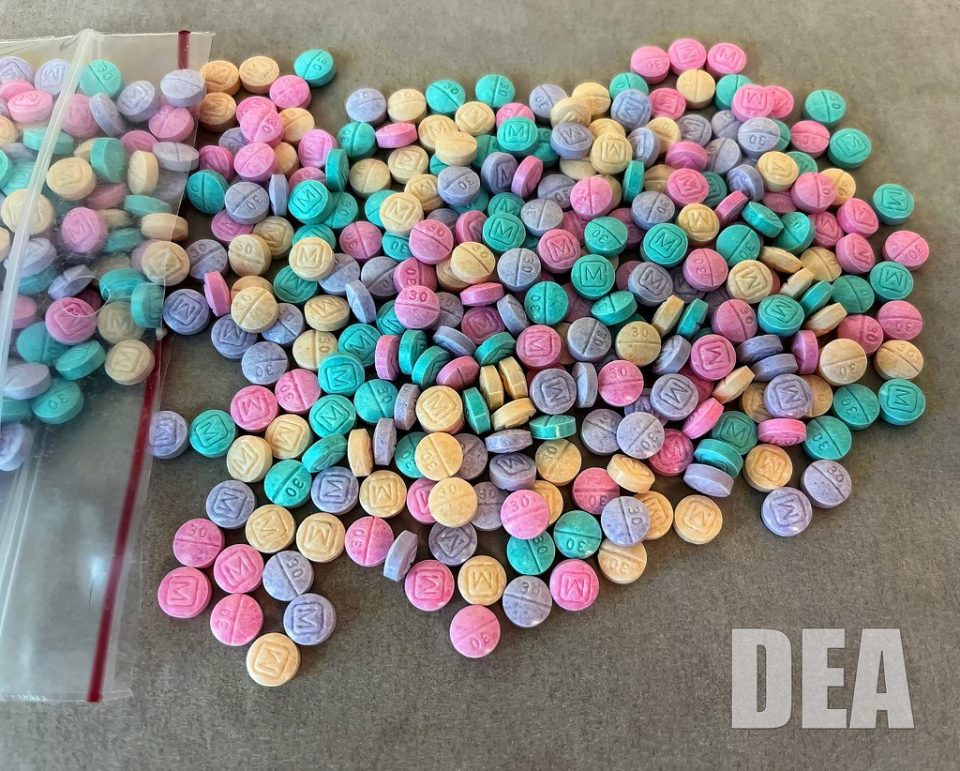
While fentanyl continues to be a major focus in overdose prevention efforts, officials say newer substances like 7-OH are part of ongoing surveillance of the drug supply.
Health leaders say the goal is to identify changes early and respond with public warnings, treatment resources, and coordination across local and state agencies.
Officials emphasize that Kratom and 7-OH are not currently driving the majority of overdose deaths in Michigan, but remain a growing concern due to availability and evolving product formulations.
Next steps
State officials say they will continue expanding treatment services using opioid settlement funds while also monitoring emerging substances in the marketplace. Lawmakers and public health agencies are expected to continue evaluating potential regulatory actions as new data becomes available.
The Takeaway
Overdose deaths continue downward trend
Michigan recorded a significant drop in overdose deaths from 3,096 in 2021 to fewer than 1,800 in 2025, reflecting ongoing prevention and treatment efforts across the state.
Officials tracking Kratom-related concerns
Health officials are increasingly focused on Kratom and 7-OH products, citing concerns about potency, consumer awareness, and reports to poison control centers.
Ongoing monitoring and funding expansion
State agencies are using opioid settlement dollars to expand treatment centers and continue surveillance of the drug supply, including fentanyl and emerging substances, to guide future public health responses.
