

INDIANAPOLIS, IN (WOWO) — Medications that have become widely known for treating diabetes and helping people lose weight are now drawing attention for another possible health benefit: their potential role in reducing cancer risk.
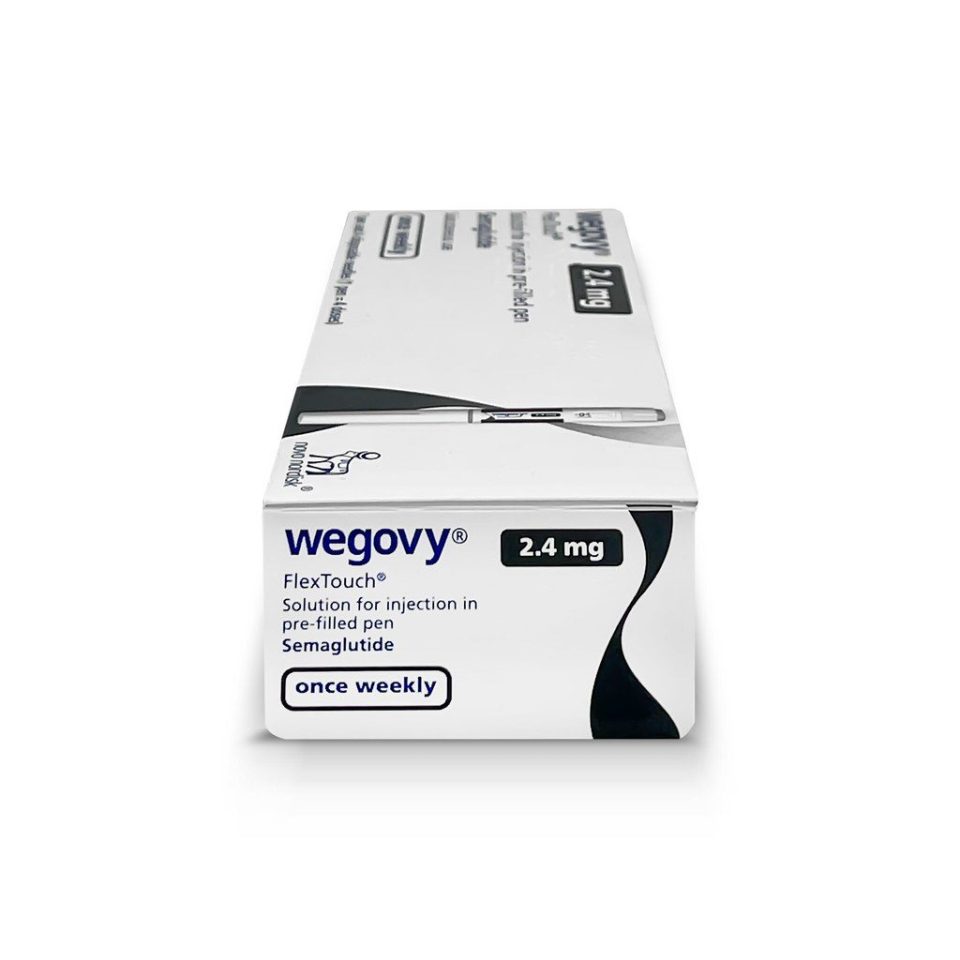
Researchers are studying whether glucagon-like peptide-1, or GLP-1, medications — including popular drugs such as Ozempic and Wegovy — may be linked to lower rates of cancer diagnoses and recurrence.
Doctors caution that the findings are still preliminary. Current research shows an association between GLP-1 use and certain cancer outcomes, but it does not prove the medications directly prevent cancer or treat existing disease.
Dr. Loren Rourke, a Texas-based breast cancer surgeon, told Fox News Digital that recent research has raised important questions about how GLP-1 medications could affect cancer risk, particularly among patients managing obesity.
Rourke pointed to findings presented at the 2026 American Society of Clinical Oncology annual meeting, where researchers reported a connection between GLP-1 medication use and lower breast cancer recurrence rates.
However, she emphasized that patients should not view the findings as proof that the medications can prevent cancer.
“These aren’t studies that, unfortunately, patients can latch onto, call their doctor and say, ‘I want to get on a GLP-1 right now to reduce my risk of breast cancer or make my breast cancer better,’” Rourke said.
Researchers believe one possible explanation involves the way GLP-1 medications affect weight, inflammation and hormones.
The drugs are designed to help regulate blood sugar and appetite, often leading to significant weight loss. Doctors have long recognized that excess body weight can increase the risk of several cancers, including some forms of breast cancer.
Rourke said reducing body weight may provide additional health benefits because lower body mass index, or BMI, has been associated with improved outcomes for some cancer patients.
“GLP-1s cause a decrease in your BMI. They cause weight reduction,” she said. “We know that a lower BMI equals a better prognosis with breast cancer.”
Researchers are also examining whether GLP-1 medications may influence chronic inflammation, a biological process that has been linked to cancer development.
Excess body fat can contribute to higher levels of inflammation and increased estrogen production, factors that may play a role in certain cancers.
“The more fat we have, the higher your estrogen production,” Rourke said, explaining why scientists are interested in studying the relationship between weight management and cancer.
She said the potential impact could extend beyond breast cancer, but more research is needed before doctors can make treatment recommendations based on cancer prevention.
“This study has now garnered enough attention, interest and scientific hypotheses that the work is getting started for the randomized controlled trials that we’re all waiting for,” Rourke said.
Randomized controlled trials — considered the gold standard in medical research — are needed to determine whether GLP-1 medications themselves reduce cancer risk or whether the benefits are primarily linked to related changes such as weight loss and improved metabolic health.
Researchers also note that GLP-1 medications are not appropriate for everyone. Patients considering these drugs should discuss potential benefits, risks and medical history with a healthcare provider.
For people struggling with obesity despite diet and exercise efforts, Rourke said GLP-1 medications may offer benefits beyond weight reduction, but she stressed that decisions should be made through an individual conversation with a doctor.
The growing interest in GLP-1 drugs reflects a broader shift in research as scientists examine whether medications developed for diabetes and obesity may have effects across other areas of long-term health.
