

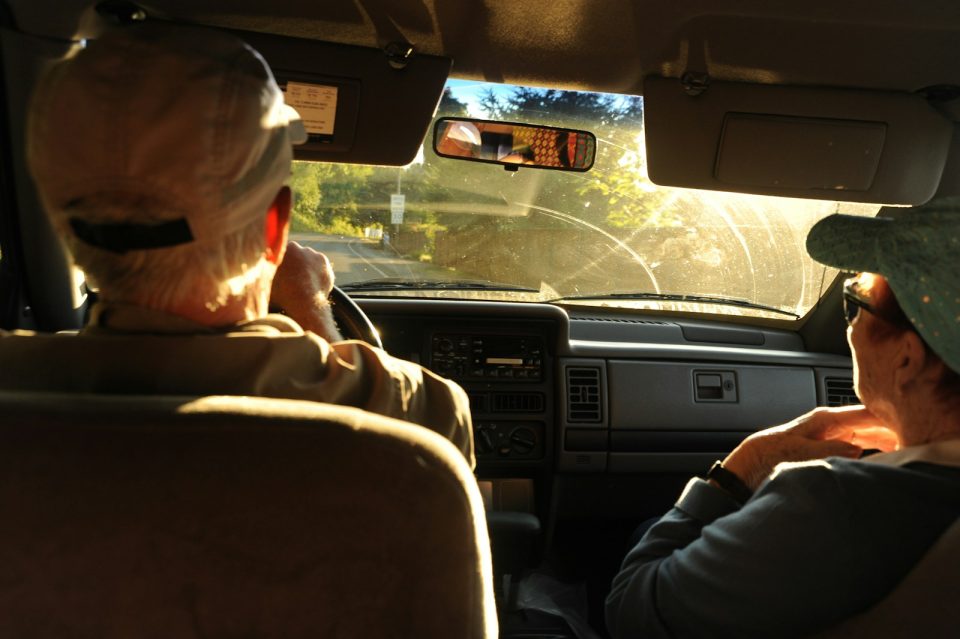
Fort Wayne IN (WOWO) A University of Michigan National Poll on Healthy Aging finds that older Michigan drivers report higher confidence behind the wheel than older adults nationwide, yet many have made no plans for when they can no longer drive.
Researchers say the findings have implications for a state with a rapidly aging population and limited transportation options in many regions according to Bridge Michigan.
The study shows that 90% of Michigan drivers ages 65 and older consider themselves safe drivers, compared with 81% of older drivers in other states. Michigan respondents were also less likely to avoid driving during winter weather or at night. Sixty-four percent said they avoid certain conditions, compared to 68% nationwide.
More than half of older Michigan drivers—52%—said they are confident they will still be safe drivers in five years, compared with 43% of older adults elsewhere.
Despite that confidence, 39% of Michigan respondents said they have not planned for how they will get around if they stop driving, similar to national findings. Transportation access remains limited across much of the state, especially in rural communities where public transit and rideshare options are scarce.
The poll notes that by 2030, every Baby Boomer will be at least 65, and Michigan already has roughly 1.9 million residents in that age group. The population of older adults in Michigan is growing by about 50,000 people each year.
While older adults generally have fewer crashes than younger drivers until around age 75, declining vision, slower reaction time, and complex traffic environments can increase risk. Few older residents—just 6% in the poll—have discussed driving with a health care provider.
The poll also found older Michiganders were less likely than their national peers to have used rideshare or taxi services in the past year, at 12% compared with 21% nationwide.
Researchers say the findings highlight the importance of planning for future transportation needs and expanding awareness of available services. The study was conducted by the University of Michigan’s Institute for Healthcare Policy and Innovation and the U-M Transportation Research Institute.
