

The Lead Off
- University of Michigan Health has completed the first in-human surgery using a long-term wireless brain computer interface device.
- A Michigan woman with a neurological disease is the first participant in a clinical trial testing the Connexus BCI device.
- Researchers will monitor the device’s ability to help restore communication and assess long-term safety over the next six years.
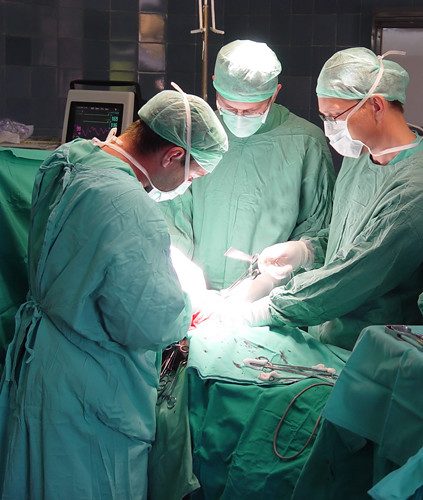
ANN ARBOR, MICH. (WOWO) University of Michigan Health has completed the first human surgery involving a long-term wireless brain computer interface, marking a new step in efforts to develop technology that can help people with neurological conditions communicate and regain control of certain functions.
The first trial participant is a Michigan woman who has difficulty speaking because of a neurological disease. She received the Connexus brain computer interface device as part of an ongoing clinical trial according to WILX.
Brain computer interfaces aim to restore communication
Brain computer interfaces, commonly known as BCIs, are designed to translate brain signals into actions.
Researchers say the technology could help people with paralysis or other neurological conditions by allowing the brain to communicate directly with external devices.
BCIs are being studied for conditions that affect the brain’s ability to send signals to muscles involved in movement and speech, including diseases such as amyotrophic lateral sclerosis, or ALS, and primary lateral sclerosis, or PLS.
Connexus device focuses on wireless technology
The Connexus BCI is among a small number of wireless brain computer interface devices currently being tested in the United States.
Doctors say one potential advantage of the device is that it does not require users to remain physically connected to a computer.
Dr. Matthew Willsey, the neurosurgeon who led the implantation procedure, said wireless technology addresses a concern raised by some potential BCI users.
“Many people who have difficulty communicating, who may benefit from a brain computer interface, have expressed that they don’t want to be tethered to a computer,” Willsey said. “A wireless brain computer interface would allow them to use it without being tethered to a computer.”
Clinical trial will track progress
The trial participant will be monitored over the next six years as researchers evaluate the device’s safety and effectiveness.
Doctors will study whether the Connexus BCI can help improve communication abilities while tracking how the implant performs over an extended period.
Researchers say the long-term evaluation will provide additional information about the potential role of wireless BCI technology for people living with severe neurological conditions.
Future applications of brain technology
Medical researchers continue to explore BCIs as a possible tool for patients whose neurological conditions limit movement or speech.
If successful, devices like the Connexus BCI could provide new options for people who cannot communicate or control traditional assistive technologies through standard methods.
The Takeaway
- University of Michigan Health completed the first in-human surgery involving the Connexus wireless brain computer interface, with a Michigan woman becoming the first clinical trial participant.
- The device is designed to translate brain signals into actions and may help people with neurological diseases that affect speech and movement.
- Researchers will follow the participant for six years to evaluate communication outcomes, device safety, and the long-term potential of wireless brain computer interface technology.
