

FORT WAYNE, Ind. (WOWO) — Fort Wayne City Council is preparing to finalize the city’s 2027 budget, with approximately $11.6 million in proposed cuts aimed at balancing spending and preparing for future state-mandated revenue reductions.
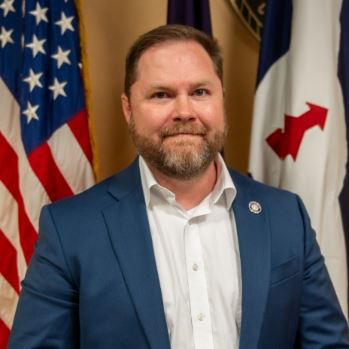
Councilman Nathan Hartman, who chairs the council’s Finance Committee, joined WOWO’s Kayla Blakeslee to explain the proposed reductions, including changes to emergency dispatch funding, the North River Development Project and the controversial downtown Portland Loo restroom.
Hartman said the budget submitted to council showed expenses exceeding revenues by approximately $10.1 million. He said he was unwilling to approve a budget that relies on deficit spending.
“The real fight was last Tuesday,” Hartman said, referring to the council’s earlier review of the budget line by line. He said the final vote would largely affirm the reductions already approved, barring any last-minute structural issues.
North River Project Loses Approximately $4 Million
One of the largest proposed reductions involves approximately $4 million previously allocated to the North River Development Project.
Hartman said council members wanted a clearer picture of the project’s overall plan and capital funding before committing that level of taxpayer money.
“Allocating that level of funding to a project that the citizens of this city haven’t really seen yet was a little premature,” Hartman said.
The reduction does not mean the project is being canceled. Hartman said work will continue, including engineering and environmental remediation. He noted that state funding has helped support cleanup efforts at the site.
Hartman said he supports development but wants the city to have a clear plan before committing additional funding.
Dispatch Funding Increase Reduced
Another closely watched change involves the Consolidated Communications Partnership, the joint city-county operation responsible for 911 dispatch.
The proposed budget reduces the requested increase by approximately $1 million. Hartman said the department’s proposed staffing and salary increases were significantly higher than what council anticipated.
He said council members were not aware of the size of the requested increase until they received the budget.
Hartman emphasized that the proposal does not eliminate existing dispatch funding. Instead, it reduces the size of the requested increase.
According to Hartman, dispatch funding would still receive an approximately 10% increase, rather than the 20% increase requested.
He said that increase is substantially higher than the increases being provided to other city departments, which have been asked to keep budgets as flat as possible while accounting for a 3% salary increase.
Hartman said council plans to continue working with county partners to better understand the department’s staffing and financial needs.
Portland Loo Faces Continued Questions
The Portland Loo, an outdoor public restroom planned for downtown Fort Wayne, remains another point of disagreement in the budget debate.
Hartman said the project began as a pilot intended to determine whether this type of restroom would work for the city. He said concerns have grown over the cost of installation and maintenance, as well as whether the facility can operate during Indiana winters.
Among the concerns is the ability to heat water during cold weather and whether the restroom would need to close during the winter months.
Hartman said the project has generated an additional request of approximately $70,000 for installation and maintenance costs.
He said the city originally expected the Downtown Improvement District to handle cleaning and maintenance without requiring an additional budget item.
Hartman also noted that other communities budget approximately $70,000 annually for similar facilities.
“To me, that’s like employing a full-time person,” Hartman said. “That’s a salary right there for one bathroom.”
Hartman said council has cut funding requests associated with the project and questioned whether the city should continue pursuing it. He acknowledged that the administration may still find ways to move the project forward.
Senate Enrolled Act 1 Creates Long-Term Budget Concerns
Hartman said one of his biggest concerns is the long-term financial impact of Senate Enrolled Act 1, which phases in changes affecting local government budgets through 2029.
He warned that Fort Wayne may need to draw on savings and available cash to offset the effects of those changes as the city adjusts to the new financial environment.
Hartman said he wants to preserve enough cash reserves to avoid future service cuts or other difficult decisions.
“I’m going to continue to fight for keeping some of that cash available so we don’t have to cut services,” Hartman said.
He argued that limiting spending now could give the city more flexibility as the full effects of the state law become clearer.
Proposed Cuts Won’t Necessarily Lower Property Taxes
Hartman also addressed a common misconception about the proposed $11.6 million in cuts: that reducing the city’s budget will automatically lower residents’ property tax bills.
He said that is not necessarily the case because property taxes support multiple taxing entities, including schools, libraries, CityLink and other local services.
“If we take less money from our bucket, it just means a different bucket would get more,” Hartman said.
Hartman explained that reducing the city’s share does not automatically reduce an individual taxpayer’s overall bill, because other taxing entities may receive a larger share of the available revenue.
Final Budget Vote Expected Tuesday
Fort Wayne City Council is scheduled to hold its final vote on the 2027 budget Tuesday, October 27.
Hartman said he does not currently anticipate significant changes to the proposed reductions. He said the final meeting typically focuses on confirming the previously approved budget and addressing any remaining technical or structural issues.
From his perspective, Hartman said, the budget is ready to move forward with approximately $11.6 million in cuts.
The proposed reductions come as city leaders weigh immediate spending decisions against the need to maintain financial flexibility in the years ahead.
