

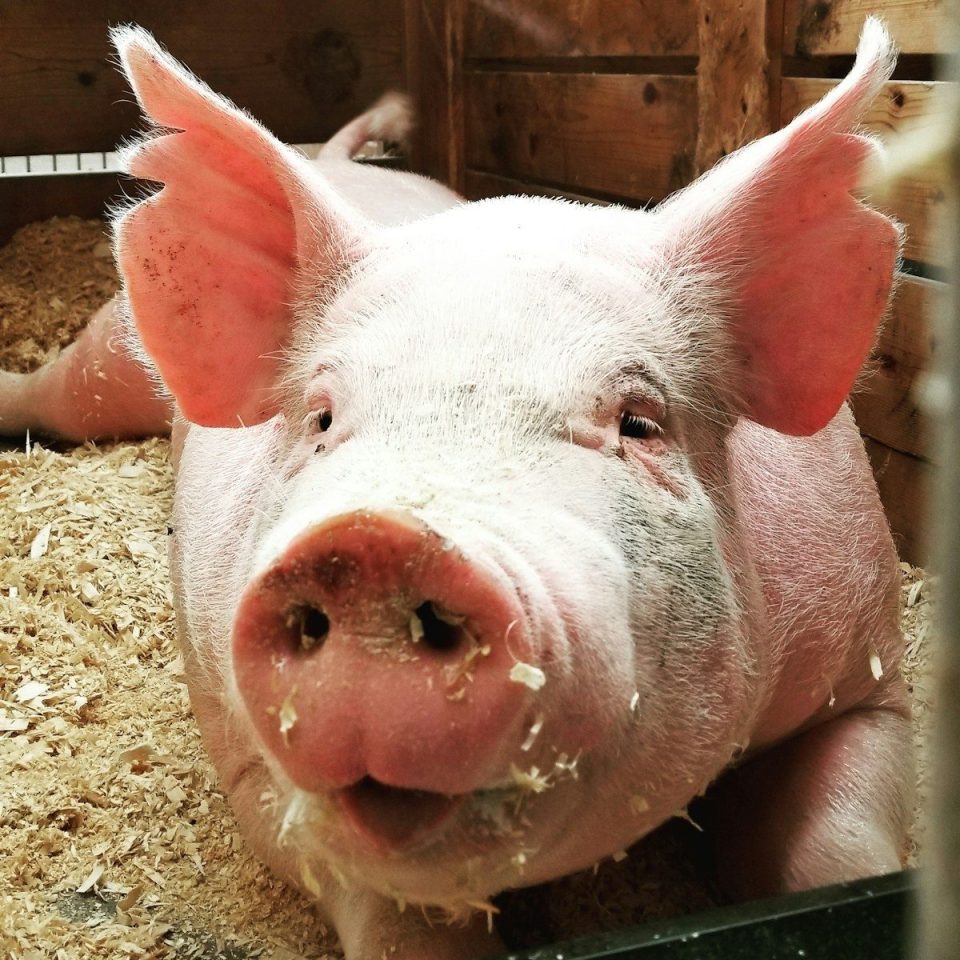
IONIA COUNTY, Mich. (WOWO) — Michigan health officials have confirmed a rare human case of influenza A H1N2, commonly called swine flu, in an Ionia County resident who exhibited pigs at the Kent County Youth Fair earlier this month.
The Michigan Department of Health and Human Services, Kent County Health Department and Ionia County Health Department announced the case Friday, saying the infection was initially identified as a presumptive positive by the MDHHS Bureau of Laboratories before additional testing by the Centers for Disease Control and Prevention confirmed the H1N2 variant.
The individual was a swine exhibitor at the Kent County Youth Fair, held Aug. 3 through Aug. 8 at the Grand Agricultural Center of West Michigan in Lowell according to News10 Lansing.
Health officials are now working to determine whether anyone else became ill after exposure to pigs at the fair. MDHHS and the Kent County Health Department are contacting swine exhibitors and their families who spent time in the fair’s swine barns. Healthcare providers in the area have also been notified to be alert for patients with respiratory symptoms who report recent contact with pigs or attendance at the fair.
State health officials stress that the detection does not indicate a broad public health threat.
“While the risk to the general public remains low, we want visitors who attended the Kent County Youth Fair to be alert to symptoms and take appropriate precautions,” Michigan Chief Medical Executive Dr. Natasha Bagdasarian said in the state’s announcement.
Bagdasarian is urging anyone who develops flu-like symptoms following possible exposure to pigs to contact a healthcare provider and specifically mention the animal exposure. People who become sick should stay home until they have recovered.
The case involves a variant influenza virus that normally circulates among pigs. Human infections are uncommon, although exposure to infected swine can occasionally result in transmission to people. The CDC has previously documented sporadic human infections with variant influenza viruses following exposure to pigs at agricultural fairs.
Michigan State Veterinarian Dr. Nora Wineland said the presence of influenza viruses in pigs is not unusual, but transmission from pigs to people is rare.
“MDARD encourages exhibitors to follow disease prevention practices and work with their veterinarian if they suspect illness in an animal,” Wineland said.
She also emphasized that the latest case should not discourage people from attending fairs, saying it remains safe to enjoy local fairs while following basic hygiene measures.
Those precautions include washing hands thoroughly after touching animals, avoiding food and beverages inside livestock barns and keeping items such as children’s toys, pacifiers and baby bottles away from animal areas.
Health officials are advising people who are more likely to develop serious complications from influenza to avoid swine barns altogether. That includes children younger than five, pregnant women and older adults.
Symptoms associated with variant influenza can resemble those of ordinary seasonal flu. They may include fever, coughing, a runny nose, body aches, nausea, vomiting and diarrhea. While infections are often mild, health officials note that influenza can sometimes progress to more serious illness, including pneumonia or hospitalization.
There is currently no human vaccine specifically designed to prevent this swine-origin H1N2 variant, according to the information provided by Michigan health officials. Seasonal influenza vaccination also does not specifically protect against this variant.
Antiviral medications remain an important treatment option. MDHHS says prescription drugs including oseltamivir and zanamivir can be effective, particularly when treatment is started early and for people at increased risk of complications.
The investigation comes as county and state fairs continue across Michigan and the Midwest, putting public health officials in a position of balancing animal-exposure risks with reassurance that ordinary fair attendance remains a low-risk activity.
For fairgoers who visited the Kent County Youth Fair and subsequently develop flu-like or respiratory symptoms, health officials recommend contacting a medical provider and reporting the possible exposure to pigs. Those who are sick should remain home and avoid close contact with others while recovering.
The case is not the first time Michigan has identified H1N2 variant influenza in a person with swine exposure. Michigan health officials reported H1N2 variant infections among people exposed to pigs at the Fowlerville Family Fair in 2018, with no evidence of human-to-human transmission identified at that time.
The current investigation will help health officials determine whether additional illnesses occurred among people who had direct contact with pigs or their surroundings at the Kent County fair.
