

WASHINGTON, DC (WOWO) People living in the world’s so-called Blue Zones have attracted decades of attention from researchers looking for clues about healthy aging, and longevity researcher Dan Buettner says three beverages are common in the diets of people living in those regions.
Buettner recently highlighted water, black coffee and red wine as three drinks commonly consumed in Blue Zones, areas known for unusually high numbers of people reaching advanced ages.
But while research has found associations between hydration and healthier aging and has linked coffee consumption with several potential health benefits, the evidence does not establish that any particular beverage will cause someone to live to 100.
And one of Buettner’s three choices — red wine — remains particularly controversial because alcohol consumption carries established health risks.
Buettner ranked water first, calling it the most important beverage for people interested in longevity.
“The indisputable, best thing you can drink to live to 100 [is] water,” Buettner said in a recent video post, adding that people in Blue Zones commonly drink several glasses of water throughout the day.
Research from the National Institutes of Health provides some support for the importance of staying adequately hydrated, although it does not prove that drinking more water directly extends a person’s lifespan.
An NIH analysis involving more than 11,000 adults found that people with higher levels of normal blood sodium — a marker that can rise when fluid intake is insufficient — were more likely to show signs of faster biological aging and had higher risks of developing chronic diseases and dying prematurely.
The researchers emphasized that the study found an association rather than proof of cause and effect.
The findings nevertheless add to evidence that maintaining adequate hydration is an important part of overall health, particularly as people age.
Buettner’s second choice is black coffee.
He recommends roughly one to two cups a day and suggests drinking it earlier in the day.
“Drink it black, one to two cups a day, quit by noon, it’ll help you live longer,” Buettner said.
Coffee contains polyphenols and other compounds that have been studied for their potential effects on inflammation and metabolic health. Observational research has also associated regular coffee consumption with lower risks of conditions including type 2 diabetes and some neurological diseases.
Those associations do not mean coffee itself guarantees a longer life, and the way coffee is consumed can also affect its overall nutritional profile.
Adding large amounts of sugar, syrups or high-calorie creamers can substantially change the drink’s nutritional content. For people who are sensitive to caffeine, drinking coffee later in the day can also interfere with sleep.
Sleep itself is an important component of healthy aging, making Buettner’s recommendation to consume coffee earlier in the day relevant for people who experience caffeine-related sleep problems.
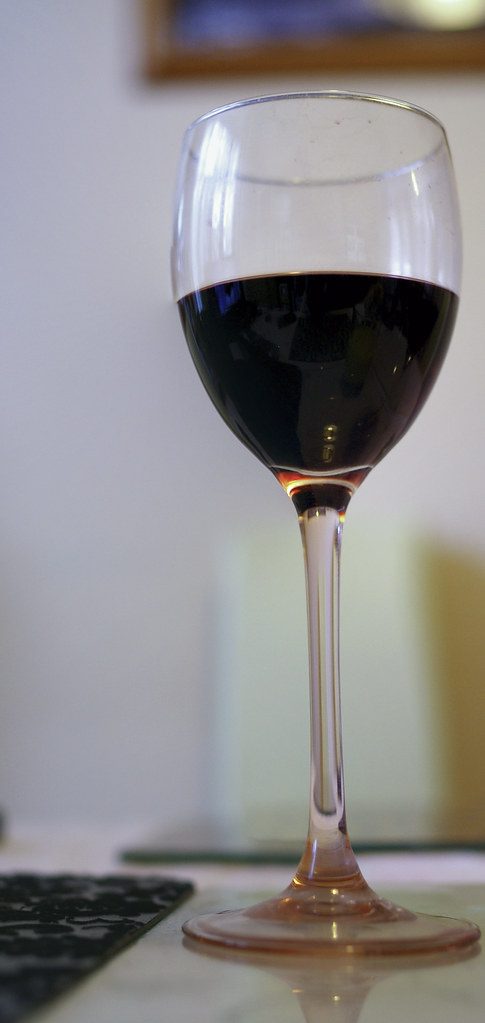
The third beverage on Buettner’s list is red wine — and it comes with the biggest caveat.
Small amounts of red wine have traditionally been associated with some Blue Zone dietary patterns, particularly in parts of the Mediterranean. Red wine contains plant compounds such as resveratrol and flavonoids that have been studied for their potential cardiovascular effects.
Buettner acknowledged that the beverage’s place in a longevity-focused diet is controversial.
“I’m very well aware of all the negative press wine is getting lately, but it’s consumed in the Blue Zones, and it seems to add years to life,” Buettner said.
Health authorities have increasingly emphasized that alcohol should not be viewed as a health-promoting substance.
The U.S. Surgeon General has identified a causal relationship between alcohol consumption and an increased risk of at least seven types of cancer, including breast, colorectal, esophageal, liver, mouth, throat and laryngeal cancers.
That means the fact that red wine is consumed in some Blue Zone populations does not establish that alcohol is responsible for their longevity.
Researchers studying longevity generally look at a combination of behaviors, including diet, physical activity, social connections, sleep, stress management and other lifestyle factors. Isolating the effect of one beverage from all of those variables is difficult.
The same principle applies to water and coffee.
The NIH hydration research found an association between hydration markers and health outcomes, but researchers said randomized controlled trials would be needed to determine whether improving hydration directly slows aging or prevents disease.
Likewise, associations between coffee consumption and health outcomes do not establish that coffee is the reason people experience those outcomes.
For people interested in the habits of long-lived populations, the three drinks highlighted by Buettner offer different takeaways.
Water is essential for maintaining normal bodily functions and avoiding dehydration. Coffee has been associated with several favorable health outcomes when consumed as part of an otherwise healthy diet. Red wine, meanwhile, is part of some traditional dietary patterns but carries health risks because it contains alcohol.
Anyone with a medical condition, fluid restriction or medication that could interact with caffeine or alcohol should discuss dietary changes with a health care professional.
Ultimately, the Blue Zones research is less about finding a single drink that guarantees longevity and more about identifying patterns of behavior that appear repeatedly among populations with unusually long life expectancies.
For anyone looking for a simple place to start, staying adequately hydrated and maintaining healthy overall lifestyle habits have considerably less controversy surrounding them than relying on alcohol as a longevity strategy.
